Future exhibition
The Ethics of Encounter
The Atlas Group, François Bucher, Dani Marti, Renzo Martens, Frederic Wiseman
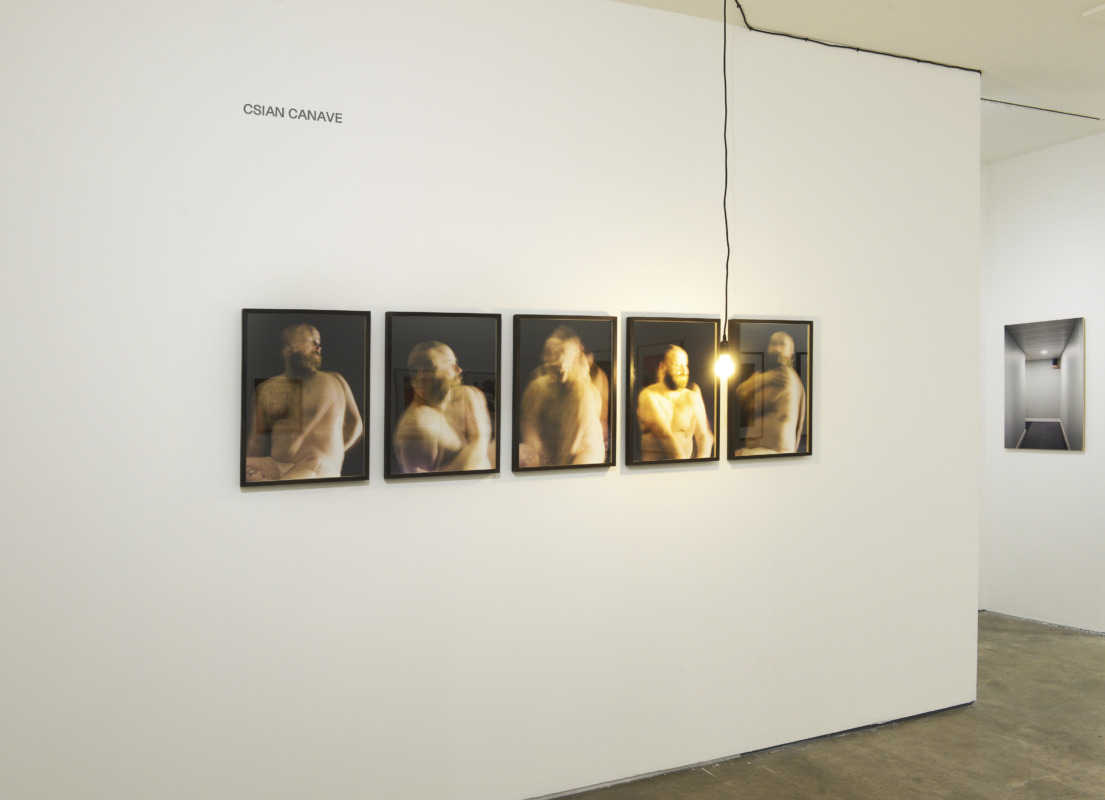
As an increasing number of artists site their practice within the social fabric of everyday life, the encounter has been placed at the heart of a newly defined aesthetic experience. Whether constructing artificial situations that prompt dialogue and exchange between participants, embarking on collaborative projects designed to engage specific communities, or documenting incidents and experiences from across the globe, the ways in which these works engage with social realities often bear a close resemblance to ethnographic mapping, investigative journalism or even community work. In contrast to the strict ethical codes to which these disciplines adhere, many of today’s artists operate in somewhat murkier waters. Working outside - or even deliberately corrupting - society’s accepted conventions and frameworks, the artists participating in this exhibition utilise strategies and tools no longer available to other disciplines to find new ways to communicate something more about the human condition in situations of war, sex and political urgency.
Positive on-the-ground consequences are often considered to be the primary goal of artworks operating within the social sphere: documentary photography may attempt to draw attention to neglected sites and experiences while in community-based practices processes of negotiation and consensus building are the primary objectives. The artists here adopt a different set of approaches whereby subjects are manipulated, participants used and viewers find themselves deceived. In his article ‘The Prospects of Radical Politics Today’ (2002), Slavoj Žižek draws a parallel between the maintenance of ‘multi-culturalist tolerance humanitarianism’ and the rising importance of ethics, stating that ‘the ultimate goal of ethics is to guarantee the neutral space in which this multitude of narratives can peacefully co-exist.’ Far from being a neutral ground, delineating right from wrong, in this understanding of the term ethics are politicised to become an instrument for the maintenance of the dominant system. Reflecting this position, French philosopher, Alain Badiou, has lamented the recent rise in the profile of ethics in society, which, he claims, ‘amounts to a genuine nihilism, a threatening denial of thought’. For him, ethics, like Human Rights, are best understood as a stultifying framework which offers no emancipatory politics, suppressing any attempt to envisage a transformation of the way things are. By crossing borders, these artists render visible the ethical frameworks and ideological coordinates by which we all live reminding us that boundaries that can be seen can be shifted.
The Ethics of Encounter is part of Stills’ Social Documents series, a three-year programme of exhibitions, screenings, workshops and courses which explores artists’ fascination with documentary modes and processes.

We welcome everyone and are fully accessible by wheelchair. Staff are always available to help visitors. If you prefer, please phone in advance for us to arrange a guided tour.